
Eyewear
Sports Glasses
A visit to Eye Opticians will help you learn more about the most appropriate type of protective eyewear for you and your child, and to ensure proper fit.
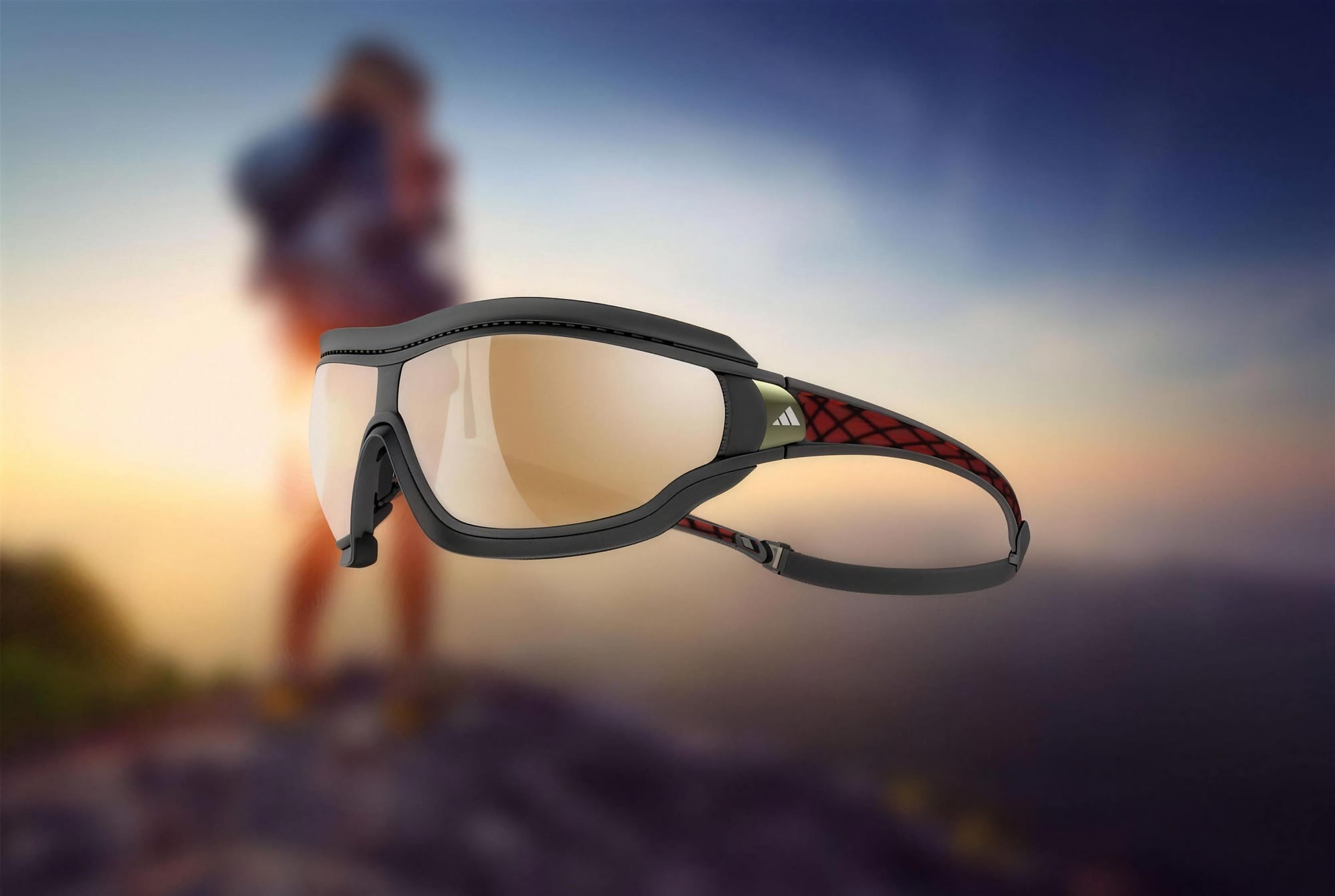
Squash
1 in 3
squash players are said to experience some sort of eye injury during their playing career
Why it matters
In the UK, one of the biggest causes of hospital admission involves serious eye injury while playing sports. Eye injuries may result from accidents with equipment like hockey sticks or shuttlecocks, especially in sports which involve fast-moving balls. Racket sports alone account for thousands of eye injuries a year according to RoSPA.
Squash players use a small ball travelling at high speed, which puts them in danger of serious injury, especially to the orbits of their eyes. Other sports which have a high occurrence of eye injuries are football, rugby and basketball.
Sport by sport
Sports Eyewear by Sport
What we recommend for each sport. Polycarbonate and PNX are impact-resistant lens materials; we will talk you through the options at your appointment.
-
01
Racket sports
- Badminton
- Sports goggles with polycarbonate or PNX lenses
- Squash
- Sports goggles with polycarbonate lenses
- Tennis
- Sports goggles with polycarbonate or PNX lenses
-
02
Team and ball sports
- Basketball
- Sports goggles with polycarbonate lenses
- Football
- Sports goggles with polycarbonate or PNX lenses
- Field hockey
- Goalie: full-face mask; all others: sports goggles with polycarbonate lenses
- Rugby
- Approved polycarbonate shield on helmet
-
03
Cycling and running
- Cycling
- Sturdy vented wrap-around frames with polycarbonate or PNX lenses
- Track and field
- Sturdy wrap-around frames with polycarbonate or PNX lenses
-
04
Water
- Swimming and pool sports
- Swimming goggles
- Diving
- Swimming goggles
- Fishing sports
- Goggles with polycarbonate or PNX lenses
-
05
Snow
- Skiing
- Ski goggles with polycarbonate lenses
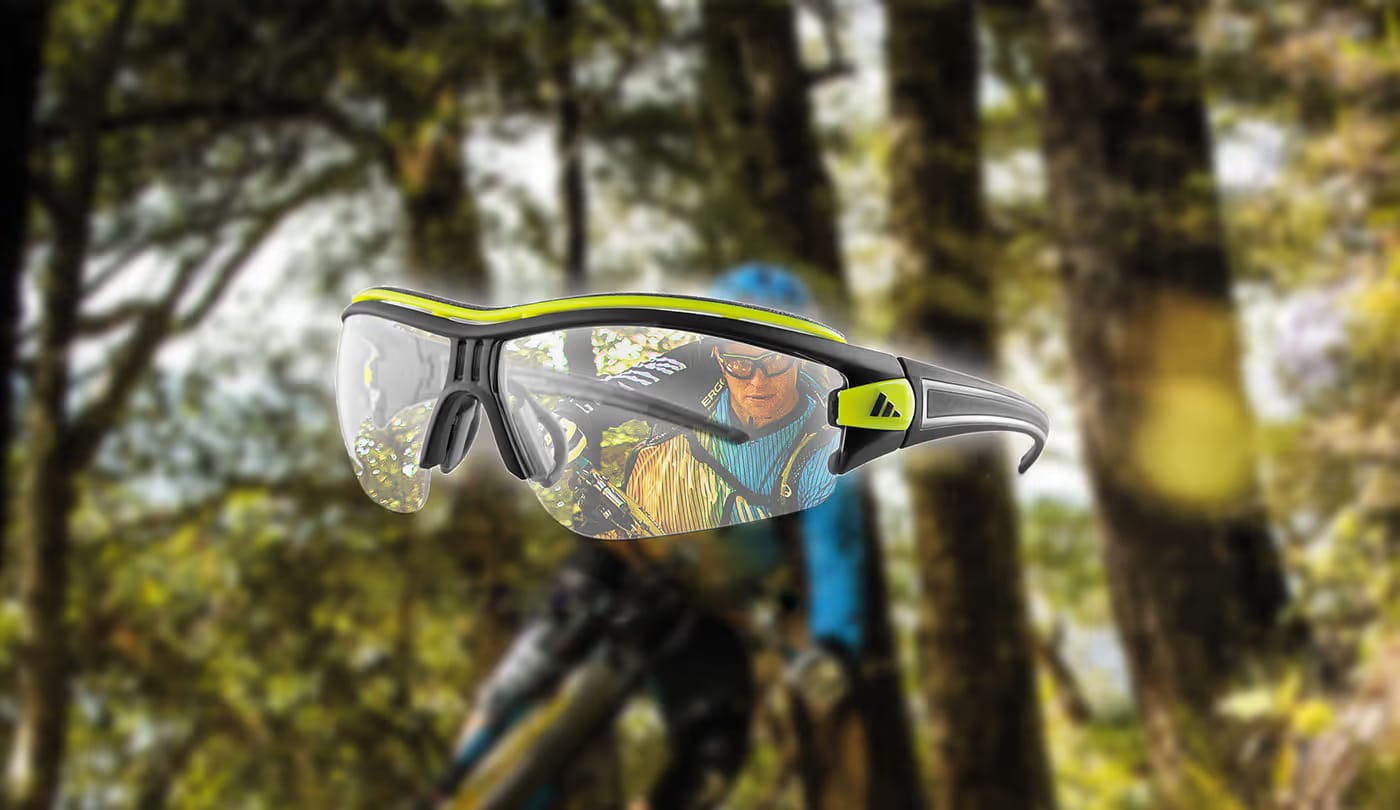
Step one
Are Your Eyes Fit for Sport?
The first safety measure to consider before taking part in any sporting activity is to check up on your visual ability with an eye examination. This is also the perfect opportunity to find out more about protective eyewear. Before having your eyes examined, explain to your practitioner the reason for your visit. Maybe you already wear spectacles or contact lenses and want to find out if they will be suitable for your sporting activity. Many people don't wear their glasses when playing sport. Alternatively, you may have been experiencing poor vision or headaches while taking part in sport. By telling your practitioner your needs, you will receive the best practical solution for your visual requirements, ensuring your comfort and safety when playing sport.
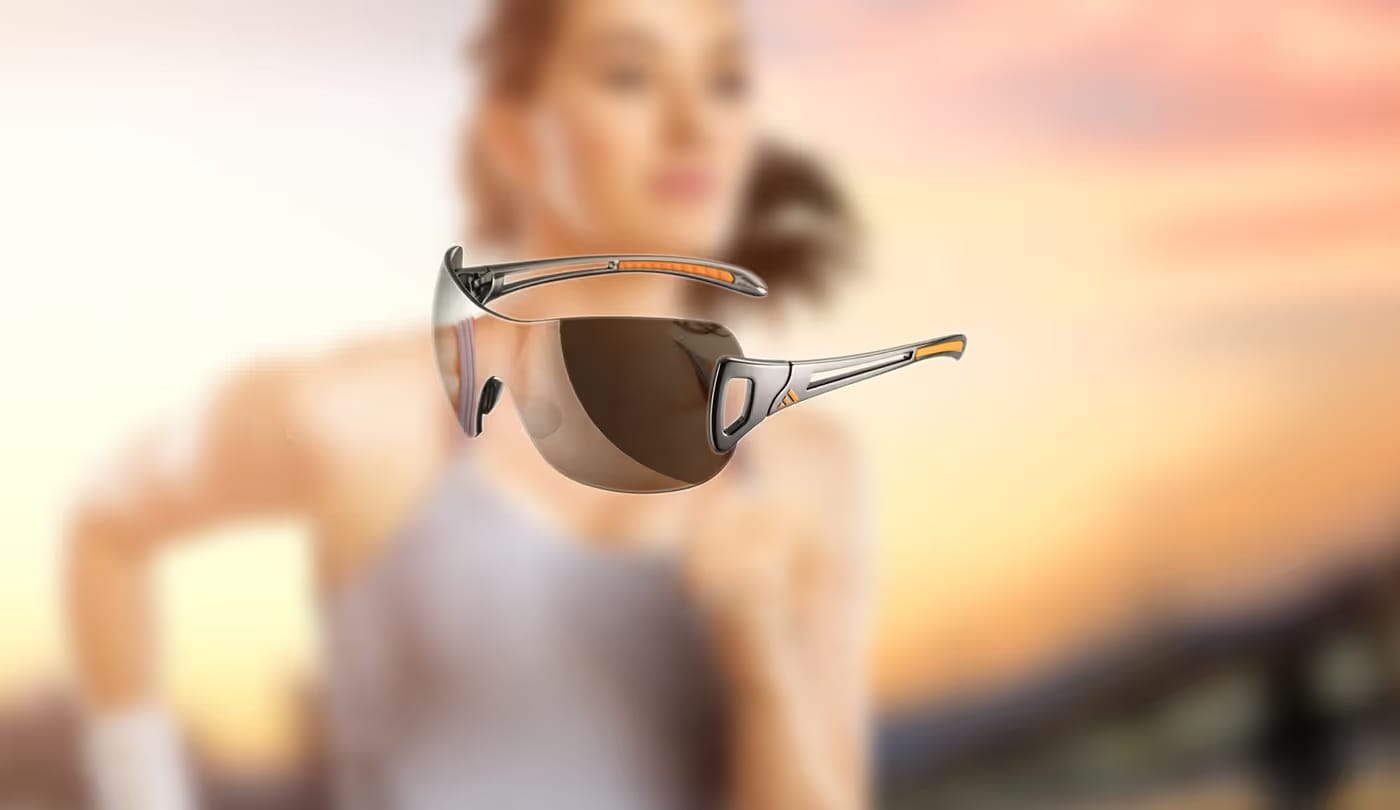
Step two
The Best Choice for You
Choosing the right visual aid for sport is just as essential as choosing the right equipment or accessories. Just two examples of the benefits that can be gained from making the right choice are the specially designed spectacles developed to help top-ranking snooker players and the prescription-glazed goggles used by swimmers.
Of course, spectacles aren't always the right option for playing sports. It would be impractical to use them in activities where physical contact is involved, or if the lenses are likely to get wet or steamed up. Contact lenses are the practical solution to these problems. Soft contact lenses are the best for most vigorous sports. Most people wear them for the duration of sporting activities even if they don't wear contact lenses for normal daily use. But remember, contact lenses provide very little eye protection. They should be worn, when necessary and appropriate, in conjunction with protective goggles.
Protection
The Way to Clearer, Safer Vision
Certain sports are best performed with the protection of special frames or goggles. Squash, for instance, requires goggles which protect the temples and bridge of the nose as well as the eyes.
Guidelines for
Frames
- Lightweight, yet strong enough to resist strong impact
- Could be fitted with side pieces that curl securely behind the ears
- Should be fitted with an elasticated sports band
- Metal frames should be fitted with a padded bridge
- Specially designed goggles are preferable
Guidelines for
Lenses
- Should be made from impact-resistant plastic or, preferably, polycarbonate
- Glass lenses should be avoided but, if used, should be toughened or laminated
- For indoor use, lenses should not be tinted or coated to reduce reflection
- Polycarbonate, tougher than other materials, must be used for squash
From protection to performance
Oakley
For outdoor sport, performance sunglasses do more than shade: the right lens and frame keep your vision sharp and your eyewear in place. We can fit most Oakley sunglasses and sport frames with prescription lenses.
Prizm
Lens tints tuned colour by colour to boost contrast where the eye is most sensitive to detail, with versions tuned for activities such as golf and snow.
Plutonite
Oakley’s optical-grade polycarbonate lens material: impact resistant, and filters 100% of UVA, UVB and UVC.
Grip
The original handlebar-grip material, still used on earsocks and nose pads so frames stay put when you sweat.
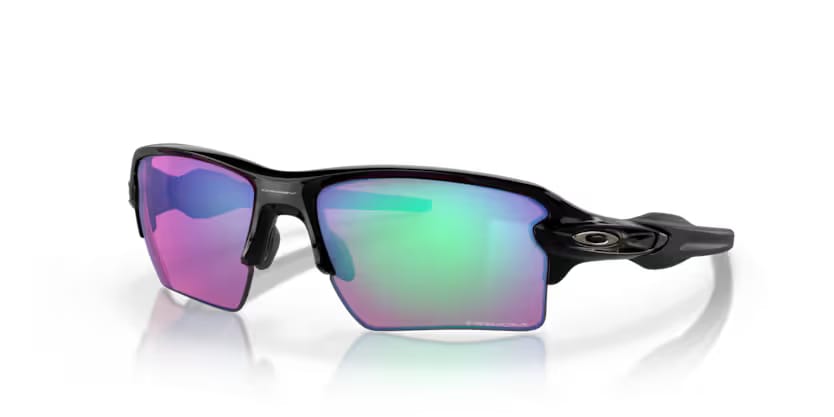
Flak 2.0 XL
OO9188
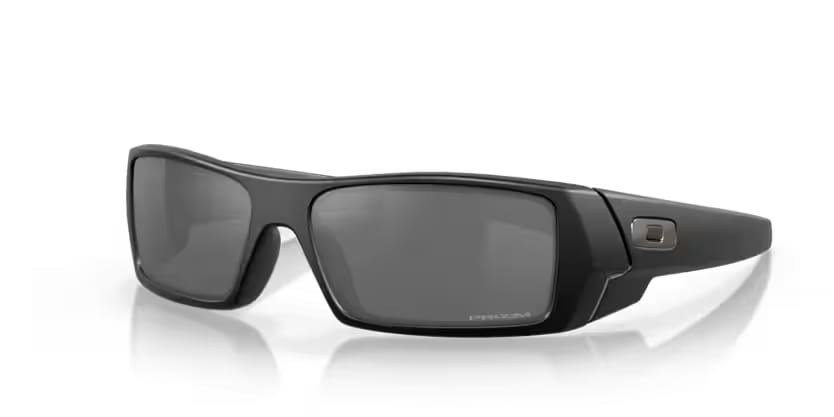
Gascan
OO9014
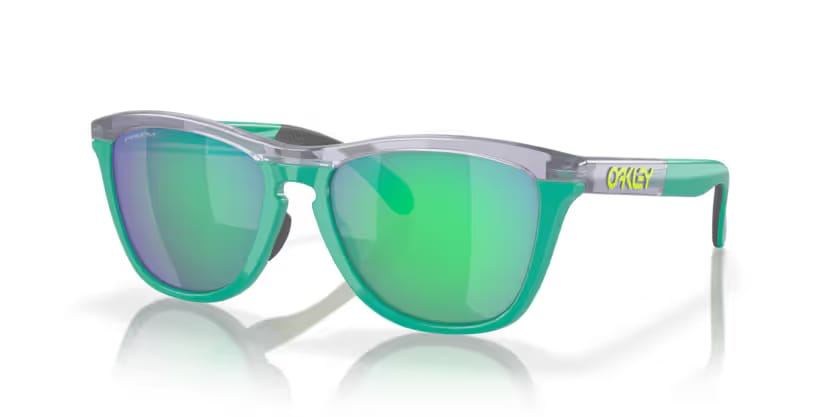
Frogskins Range
OO9284
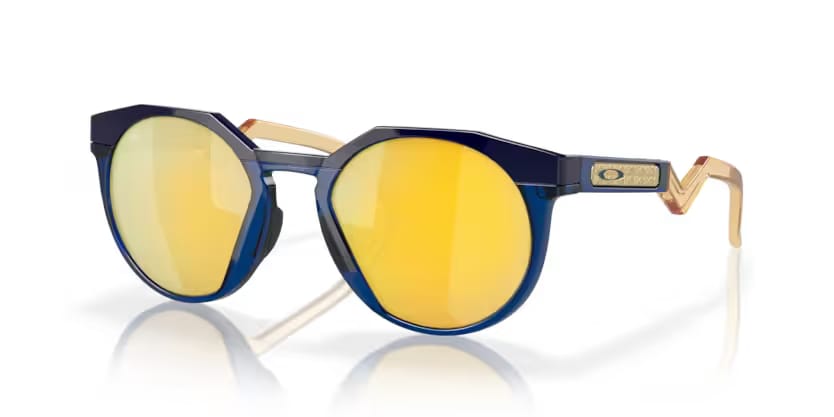
HSTN
OO9242
Reach out
Message Eye
Complete the enquiry form and we'll get back to you within 24 hours, or call the practice nearest to you.
- Edgbaston
- 0121 456 5676
- Barnt Green
- 0121 445 4545